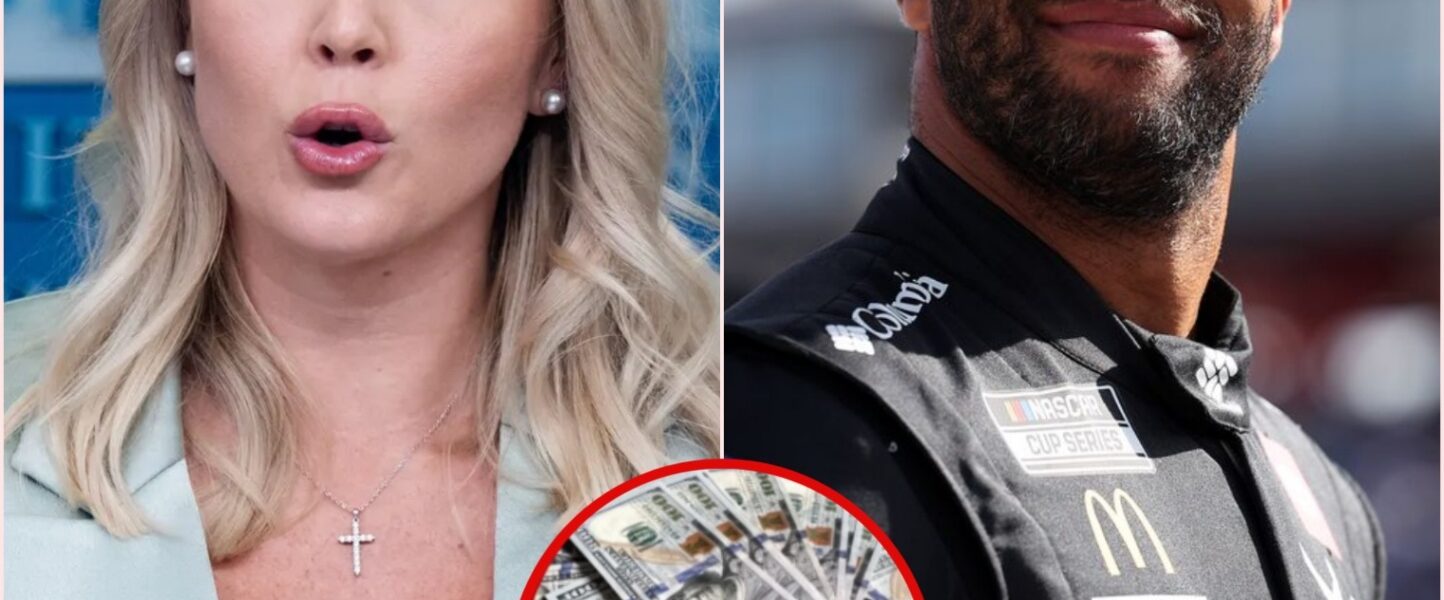
“YOU WERE BEATEN — PAY NOW!” — Bubba Wallace sues Karoline Leavitt and Network for $50 MILLION after shocking live attack. No one saw it coming.
What began as a routine sports and culture interview erupted into one of the most contentious moments in live television this year. NASCAR driver Bubba Wallace, widely known not only for his achievements on the track but also for his outspoken advocacy on social issues, has filed a $50 million lawsuit against political spokesperson Karoline Leavitt and the network that hosted their now-infamous broadcast.
The lawsuit, titled with the striking phrase “YOU WERE BEATEN — PAY NOW!”, accuses Leavitt and the network of orchestrating a calculated on-air assault designed to damage Wallace’s reputation, both professionally and personally.
The Interview That Exploded
Viewers tuned in expecting an exchange about NASCAR’s upcoming season and Wallace’s continued role in diversifying the sport. Instead, the interview veered dramatically off course.
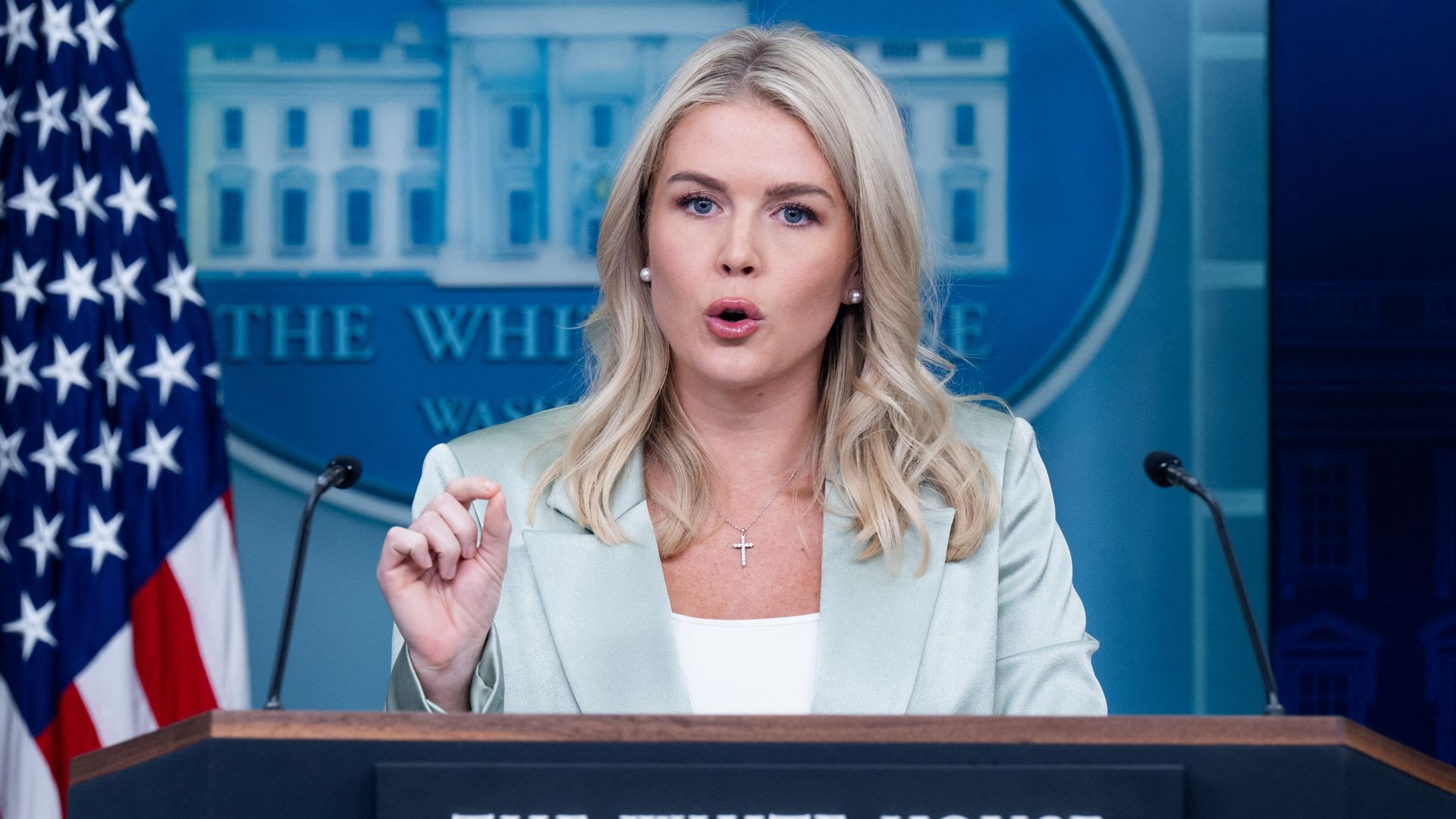
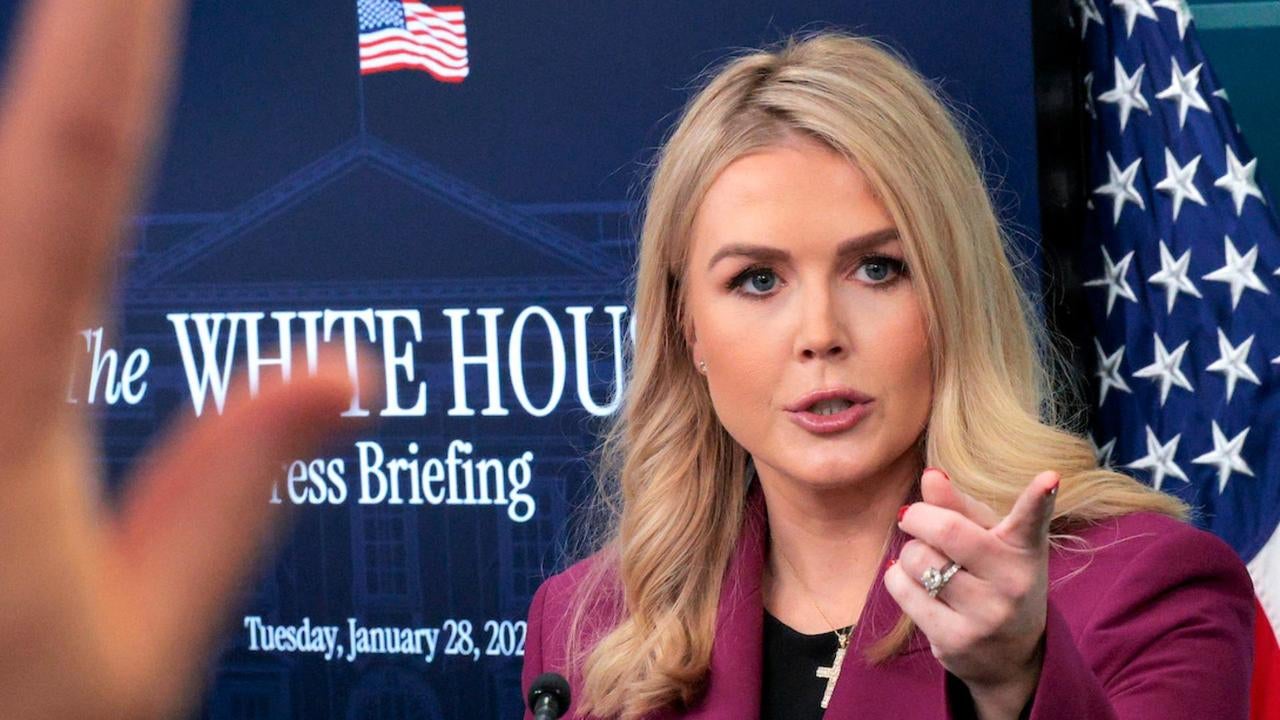
Karoline Leavitt, invited as a guest commentator, turned the conversation into a blistering attack. “Bubba Wallace is nothing more than a symbol for a hypocritical system,” she declared live on air. “He hides behind causes, but in reality, he represents the same establishment he claims to oppose.”
The remarks shocked both Wallace and the audience. Social media erupted within seconds, with hashtags like #StandWithBubba and #LeavittAttack trending almost instantly.
Wallace’s Response Under Pressure
If Leavitt’s goal was to rattle the NASCAR star, the attempt fell flat. Wallace remained steady, his expression resolute as he countered her barrage with poise. “You can attack me all you want,” he said, “but my record — on and off the track — speaks for itself. I race for change, I race for progress, and I race because I love this sport. That won’t be silenced.”
The measured response not only neutralized the immediate tension but also reinforced Wallace’s reputation as someone who thrives under pressure. Fans lauded his ability to rise above hostility, calling him “a champion in more ways than one.”
The Legal Hammer Drops
Hours after the broadcast, Wallace’s legal team filed suit, demanding $50 million in damages. The filing alleges defamation, intentional infliction of emotional distress, and reckless misconduct by both Leavitt and the network.
“This was not spirited debate,” the lawsuit reads. “This was an ambush — a deliberate attempt to discredit Bubba Wallace before a national audience. The consequences extend beyond words: they threaten his career, his partnerships, and his safety.”
The bold demand for $50 million has already drawn intense scrutiny. Some legal analysts argue the figure represents a symbolic stand against personal attacks in media, while others suggest Wallace’s team intends to pursue every dollar, aiming to set a precedent for accountability in televised confrontations.
A Nation Divided
Reactions have split sharply along cultural and political lines. Supporters of Wallace praised him for standing tall in the face of hostility. “Bubba showed exactly why he’s a role model,” one fan tweeted. “He didn’t flinch. He didn’t fold. He fought back with dignity.”
Leavitt’s defenders, however, argue that her comments were within the bounds of free speech. “This is America,” a commentator wrote. “Debate is supposed to be uncomfortable. Bubba Wallace is suing because he doesn’t like being challenged.”
The network at the center of the controversy has yet to issue a full statement, though insiders report that executives were blindsided by the segment’s sudden escalation.
Beyond the Headlines
For Wallace, this moment may become another chapter in a career defined not only by victories on the racetrack but also by battles off of it. From advocating for social justice within NASCAR to now confronting public attacks through the legal system, he has consistently framed his role as bigger than sport.
The lawsuit’s outcome remains uncertain, but one truth is already clear: this was more than an interview gone wrong. It was a clash of values, amplified on live television, with repercussions that could reshape how networks handle high-stakes conversations.
And through it all, Bubba Wallace has once again proven that his resilience isn’t confined to the oval track. Under pressure, he doesn’t just race — he rises.